Sober Sis Blog
Written By Jenn Kautsch
Did you actually “decide” to have that drink?
Or did autopilot kick in?
I have a question for you and I want you to really think about it: Have you ever poured yourself a glass of wine without actually making a conscious decision to have a drink? I know that sounds a little ridiculous when you say it out loud because obviously you picked up the bottle, you got the glass out of the cabinet, and unless your Pinot Grigio has developed opposable thumbs, you poured it. But stay with me here. I’m talking about those nights when you walk into the kitchen, start making dinner, reach for the wine almost automatically and suddenly have this little moment of, Wait. What am I doing? I thought I wasn’t going to drink tonight. Or maybe you don’t even have that moment until you’re halfway through the glass. It’s Friday. It’s 5:00. Your husband poured one. You just got off a stressful phone call. You walked into the Mexican restaurant and, well, hello margarita. You’re cooking dinner for what feels like the 47,000th time in your adult life and somewhere along the way your brain decided chopping onions should apparently come with Sauvignon Blanc. There wasn’t necessarily a big decision. There was a cue, and then there was a pour.
I lived this way for years without really understanding what was happening. There were so many situations where alcohol had simply become part of the script. Dinner meant wine. Mexican food meant margarita. Girls’ night meant champagne . Weekend by the pool meant cold beer. Stressful day meant have whatever you want! Great day? Well, obviously we should celebrate with wine. Boring day? We should probably make it more interesting with wine. Apparently wine had become my answer to a truly impressive number of questions. And because I had repeated those patterns so many times, eventually they didn’t feel like decisions anymore. They felt like what you do. Cue, routine, repeat. Cue, routine, repeat. And that is exactly why one of the most powerful things I ever learned in changing my relationship with alcohol was also one of the simplest:
Automatic does not mean intentional.
When the Decision Gets Skipped
That distinction matters because I don’t think most of us wake up wanting to live our lives on autopilot. We want to be intentional women. We want to make choices that line up with who we are, what we value, how we want to feel and the kind of life we’re trying to build. But our brains love familiar. Familiar is efficient and doesn’t require a committee meeting. So when 5:00 rolls around and we’ve practiced pouring wine at “wine o’clock” approximately one gazillion times, our brain is basically saying, Oh, I know what we do here! It isn’t necessarily stopping to ask whether that choice still serves us. It just recognizes the cue and reaches for the familiar response. That’s why you can genuinely wake up thinking, I really don’t want to drink tonight, and then find yourself standing in the kitchen later with a glass in your hand wondering exactly when the decision changed.
Here’s where this gets really hopeful, because we do not have to wage war against every cue. We don’t have to shame ourselves because we walked into a Mexican restaurant and immediately thought about a margarita. Of course you did if you’ve ordered one there 100 times. We don’t need to panic because our spouse pours a drink and suddenly we want one too. We don’t need to decide we’re hopeless because Friday afternoon rolls around and our brain starts whispering, You deserve it. The cue itself is not the problem. The opportunity is what happens between the cue and what we do next.
For years, there was almost no space there for me. I had such a strong association with alcohol that it was almost a reaction! Trigger, pour. Friday, pour. Dinner, pour. Stress, pour. Reward, pour. The decision had basically been skipped. And when we skip the decision, we give up something incredibly valuable: our ability to choose.
The Most Important Few Seconds of Your Evening
That’s why I am such a fan of the pause. Not a giant life overhaul. Not a dramatic declaration that you will NEVER, EVER, EVER drink again and now everyone needs to hide the Chardonnay because you have spoken. Just a pause. Five seconds. Ten seconds. Long enough to catch yourself in the act of doing what you always do and ask one really good question:
What am I hoping this drink will do for me?
That question changed so much for me because it takes drinking out of the automatic category and puts it back into the choice category. Maybe your answer is, I want it to relax me, I deserve a reward. Perhaps you think it will make you more fun or less anxious. Sometimes we just want to connect and we’ve been taught that a drink will do that. (it really doesn’t and that a whole different article) I could go on… maybe you’ve been taking care of people all day and you want somebody or something to take care of you. For me, many times I felt like making dinner felt so boring and having a drink (or 2) would take away the monotony. Those are real needs, and I think it’s important that we acknowledge them instead of jumping immediately to I shouldn’t feel this way.
Because once you know what you’re actually asking the drink to do, you can finally ask the next question: Is it actually doing that?
What If the Wine Isn’t the Thing We Really Want?
This was such an eye-opener for me. I thought alcohol helped me relax. And listen, I understand why I thought that. There is that moment when you take the first few sips and your shoulders seem to come down and the volume gets turned down a notch. That experience is real. I’m not interested in pretending we all drank something we hated that did absolutely nothing for us. If there were zero perceived benefit, none of us would have kept doing it. But what I eventually had to look at was the whole experience instead of that first little window of relief.
If I’m calling something relaxation, but later I’m waking up at 3:00 AM, feeling anxious, replaying conversations, wondering why I sent that text, feeling foggy the next morning or simply not being as present as I want to be, is that actually relaxation? Or did I get a few minutes of relief that came with a bill later?
That question eventually changed the way I thought about self-care too. For years I genuinely thought wine was self-care. I had worked hard. I had taken care of everybody. I had done all the things. I deserved to let my hair down, and wine was how I signaled to myself, You are officially off duty. I thought it chilled me out. I thought maybe it even made me a more relaxed mom because I wasn’t so worked up about everything. But over time I had to admit that anything that takes away my presence, disrupts my sleep, adds to my anxiety probably deserves a different name because that’s not very caring.
Real self-care doesn’t rob you later.
That doesn’t mean the need underneath the wine wasn’t legitimate. This is such an important distinction, especially for women, because we are very good at turning everything into another reason to criticize ourselves. I shouldn’t need a break, feel overwhelmed, be bored or need a reward. I should be more grateful. No, ma’am. You are allowed to be tired. You are allowed to need connection. You are allowed to want the day to feel more fun. And you are allowed to be lonely, overstimulated, angry, hungry, touched-out, under-rested or completely tired of the question, “What’s for dinner?” Your need is valid. The question is simply whether alcohol is actually meeting it.
Maybe the craving is for wine, but the need underneath it is something entirely different.
When Wine Becomes the Answer to Everything
When I started really examining my own patterns, I realized how ridiculously versatile I had made alcohol in my mind. I’m tired? Drink. I’m bored? Drink. I’m excited? Drink. I want to hang out with my friends? Let’s go drink. I’m stressed? Drink, of course. It’s vacation? for sure drink. It’s Tuesday? Well, I’m sure we can come up with something. I had outsourced so many needs to one solution that I had forgotten I had other choices.
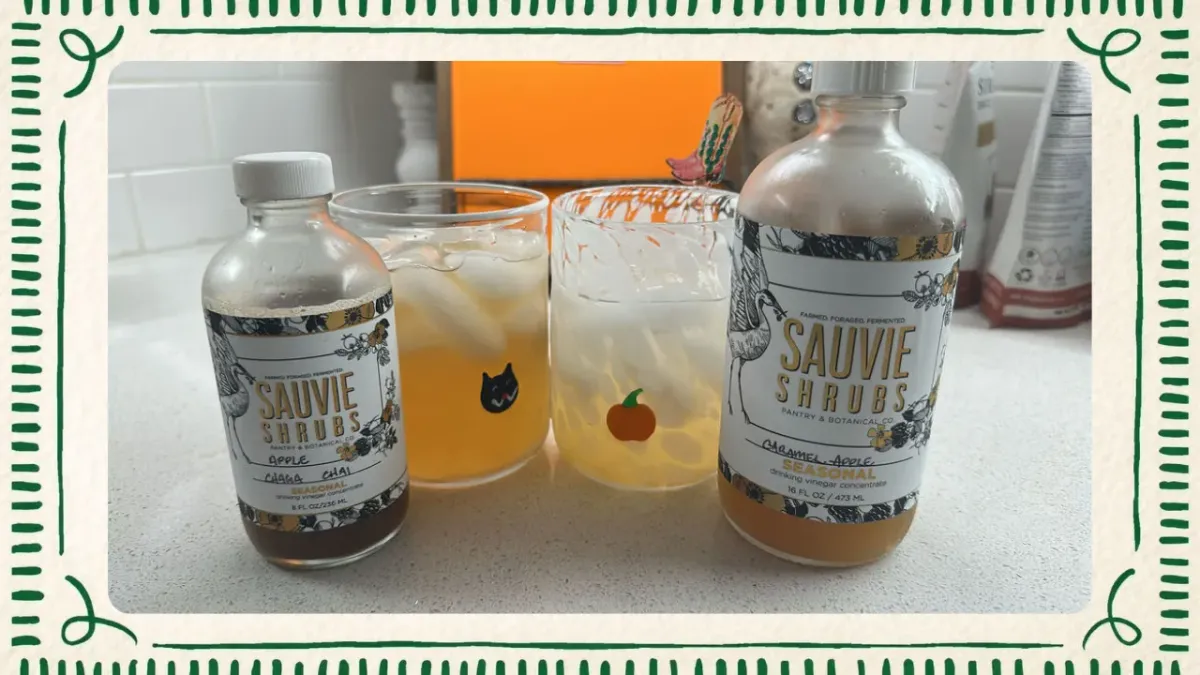
And that’s what autopilot does. It shrinks your options until one familiar response starts feeling inevitable. Awareness does the opposite. Awareness opens the room back up. Suddenly instead of I’m stressed, therefore wine, it becomes I’m stressed. Okay. What do I actually need? Maybe I need to walk around the block. I need food because I forgot to eat an afternoon snack and what I’m calling a wine craving is actually me being starving at 5:30. Maybe I need to call a friend. I need to sit outside for ten minutes and have nobody ask me anything. I need an alcohol-free drink in a pretty glass because what I really want is the ritual. Maybe I need to go to bed early or I need to pray. Here’s another one…maybe I need to laugh.
That’s why I want us to stop treating the pause like it’s nothing.
The pause is where the choice comes back.
And Sis, hear me on this part because I think it matters: you can pause, ask yourself what you really need, and still decide to have the drink. If you are brand-new to this journey, I would still call that progress. Why? Because you interrupted autopilot. You noticed. You asked. You gathered information. Maybe tonight you still poured the wine, but for the first time you recognized that the reason you wanted it was because you were lonely. That is useful information! We don’t need to waste that information by immediately smothering it with shame. We use it when we get curious. This is a wine because we begin learning ourselves again.
Every pause interrupts autopilot. And pause creates awareness. Awareness creates choice. And choice is where our power starts coming back.
“I Can’t Drink” Was Never the Freedom I Wanted
There was another shift that became important for me along the way. I didn’t want to spend the rest of my life walking around thinking, Poor me, I can’t drink. That did not feel like freedom. It felt like deprivation wearing sensible shoes.
What I wanted was to get to a place where I could say, I can drink. I’m choosing not to.
That’s a very different energy. I can order the wine. Nobody has removed my legal right to Pinot Grigio. I can have the margarita and I can say yes when the waiter asks. I am an adult woman and I can drink what I want when I want. The freedom for me came when the sentence changed from I can’t have it to I can have it, and I don’t want what comes with it.
Now, I did not begin this journey in April 2017 feeling that way. Please do not imagine that I skipped merrily into an alcohol-free lifestyle saying, “Goodbye! I never liked you anyway!” I had competing desires. I wanted to drink and I didn’t want to drink. I wanted the immediate feeling and I didn’t want the consequences. I wanted wine at 5pm and I wanted to wake up clear at 7am. Yes, I felt the adult peer pressure by becoming a part of what everyone else was doing and I wanted to feel completely present in my own life. Both things were true for a while.
I didn’t begin because I had stopped wanting alcohol. The feeling changed after I started changing my actions.
That matters because sometimes women tell me, But Jenn, I still want it. Okay. You are allowed to be there. You do not have to manufacture a feeling you don’t have yet. You can practice making different choices while your feelings catch up.
And the more I practiced, the more evidence I gathered. I experienced Friday nights without wine. I went to dinners without drinking. I navigated stress without reaching for something to numb it. I learned that uncomfortable feelings actually move through you when you let them. I found that being present felt better than checking out. I experienced that waking up clear was worth more to me than the temporary relief I thought I was getting the night before. Eventually the choice stopped feeling like something being taken from me and started feeling like something I was giving myself.
Maybe This Matters Even More in Midlife
There was another part of this conversation that hit me because I know exactly who so many of you are. You’re in your 40s, 50s, 60s and beyond. You’re watching younger adults question drinking in ways our generation often didn’t. You may even have adult kids who barely care about alcohol while you’re sitting there thinking, Why in the world am I drinking more now than I did 20 years ago? Recent reporting has shown declines in drinking among younger adults while adults in the 50–64 range continue drinking at rates higher than before the pandemic.
I don’t bring that up to scare or shame anybody. Quite the opposite. I bring it up because if that’s you, you are not the only one. Habits become familiar. Tolerance changes. Life changes. Kids grow up. Marriages go through seasons. Parents age. Careers shift. Hormones do whatever fresh nonsense hormones have decided to do this week. (Hello, midlife. Lovely to have you.) Something that started as a glass here or there can quietly become the punctuation mark at the end of every day.
And because it happens gradually, sometimes we don’t realize how automatic it has become until we finally pause long enough to notice.
I was in my mid-40s when I started looking honestly at my own drinking and thinking, Jenn, what are you doing? Is this really how you want to show up at 50? It wasn’t aligned with who I knew I was—mind, body or spirit. I didn’t want to spend the next decade becoming less awake, less present and less myself. I wanted to go the other direction.
And I think that’s the bigger invitation here. This isn’t simply about what’s in your glass. It’s about how you want to be in your life.
I Don’t Want to Live My Life on Autopilot
Sober-minded living, to me, is so much bigger than abstaining from alcohol. I don’t want my whole identity to become a list of things I don’t do. I don’t drink this. I don’t take that. I don’t go there. Okay, great but what are you doing? What are you moving toward? How do you want to feel? How do you want to show up? What do you want to remember? Who do you want to be when your husband walks through the door, when your grown kids call, when your girlfriends need you, when you’re alone on a random Tuesday night with nobody watching?
For me, sober-minded living is about being awake, alert, aware and present enough to choose my life instead of simply repeating it.
I don’t want to simply repeat my life. I want to choose it.
I’m coming up on ten years alcohol-free, and I say that with humility because I know myself. I know what I’m capable of. I know how easy it would be to drift if I stopped paying attention. Oh, come on, I’ll just drink on weekends. I deserve it. It’ll help me loosen up. I know those thoughts. I lived inside them for years. The difference now is that I recognize them. I have tools. I have women around me. I have practiced pausing. I know how to come back to what I actually want.
That’s why I don’t think the goal is to become a woman who never thinks about wine again or never gets triggered or never has a moment where the old association pops into her head. The goal is to become a woman who notices. A woman who can walk into the kitchen at 5:00 and catch herself reaching for the glass. A woman who can hear I deserve this and get curious about what she actually deserves. A woman who can walk into the Mexican restaurant, think margarita, smile at her very predictable brain and still decide what she wants. A woman who can ask, What am I hoping this will do for me? and stay around long enough to hear the answer.
You can’t change a pattern you never pause long enough to notice.
So maybe tonight, don’t make some enormous promise about forever. Don’t stand in your kitchen and declare that you have officially solved your entire relationship with alcohol. Just practice the pause. When wine o’clock rolls around, stop. Notice the cue. Ask the question: What am I hoping this drink will do for me? Maybe the answer is relaxation. Maybe it’s connection. Maybe it’s reward. Maybe it’s relief. Maybe you’re bored. Maybe you’re lonely. Maybe you’re hungry. Maybe you need five minutes where absolutely nobody needs anything from you. Whatever comes up, don’t shame it. Name it.
Then ask yourself one more question: Is there another way I could meet that need tonight that would actually give something back to me instead of asking me to pay for it tomorrow? You may be surprised by your answer. And if you choose differently—even once—pay attention to that too. Notice how it feels to be back in the driver’s seat. Notice what it feels like to make a decision instead of simply following a routine. Experience what it feels like to choose presence over autopilot.
That’s the work, Sis. Not perfection. Getting caught up in forever. Not white-knuckling your way through the rest of your life. It’s awareness, then choice, then practice. And little by little, one intentional choice at a time, you may discover that what you were really looking for all along wasn’t a better way to control your drinking.
It was a more present way to live.
Keep going and growing, Sis.
Jenn 💛


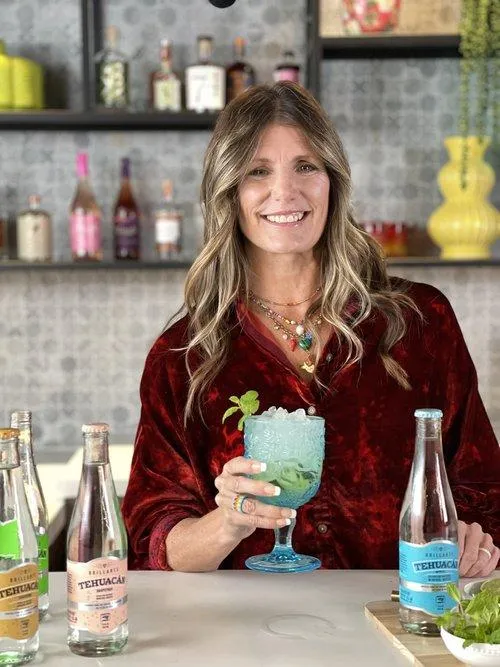
Written By Jenn Kautsch
Your sober minded sis!
TIRED of the DETOX to RETOX loop?
Break free with the 21 Day Reset Challenge.
Sign up now to get BONUS coaching before we start!
Need support TONIGHT at WINE O’CLOCK?
Get my FREE “Survive the 5” guide by CLICKING HERE.
Sober Sis Swag!



COMPANY
LEGAL
FIND US ON SOCIALS


